Retaining Wall Installation
Forest Grove, OR
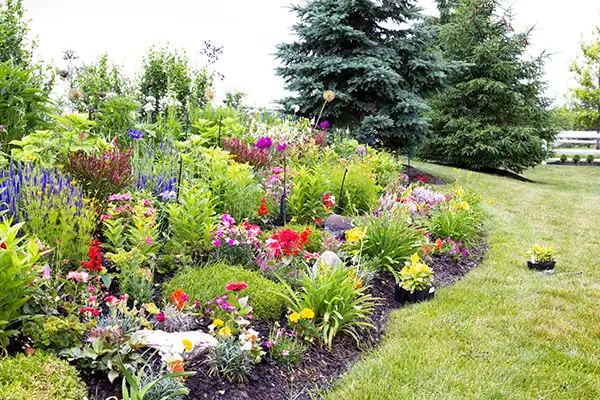 If you have noticed soil shifting after heavy rain, a slope that is difficult to mow, or erosion slowly eating away at a section of your property, a retaining wall may be the solution you need. Forest Grove's mix of clay soil and seasonal downpours puts constant pressure on sloped yards, and without the right support, that pressure eventually shows up as washed out planting beds, cracked walkways, or standing water near your foundation. A well-built retaining wall holds soil in place and adds a finished, intentional look to a yard that might otherwise feel hard to manage. If you have noticed soil shifting after heavy rain, a slope that is difficult to mow, or erosion slowly eating away at a section of your property, a retaining wall may be the solution you need. Forest Grove's mix of clay soil and seasonal downpours puts constant pressure on sloped yards, and without the right support, that pressure eventually shows up as washed out planting beds, cracked walkways, or standing water near your foundation. A well-built retaining wall holds soil in place and adds a finished, intentional look to a yard that might otherwise feel hard to manage.
Do I Need a Retaining Wall?
Not every yard with a slope needs a retaining wall, but there are clear signs that one would help. If you notice soil migrating onto your driveway after rain, grass struggling on a steep grade, or a garden bed sliding downhill season after season, those are strong indicators the slope is winning the battle against your landscaping. Pooling water near a home's foundation is another sign worth taking seriously, since water that cannot drain properly can lead to much larger problems over time.
Retaining walls are also worth considering even when there is no active erosion. Many homeowners in Forest Grove use them simply to reclaim a slope that cannot be mowed safely or planted effectively. A wall can turn an awkward hillside into a terraced garden, a level patio space, or a safer area for kids and pets to play. If you are unsure whether your yard qualifies, a quick site visit can usually answer the question, since grading and drainage patterns play a large role in whether a wall is the right fix.
Benefits of Having a Retaining Wall in Your Yard
A retaining wall does more than hold back dirt. Properly installed, it protects the structural integrity of your property by controlling how water moves through the soil, which reduces the risk of shifting foundations, cracked patios, and washed out plant beds. That protection alone can prevent costly repairs down the road.
Retaining walls also create usable space where none existed before. A steep slope that could not be mowed or planted becomes a flat terrace, a raised garden bed, or an additional patio area once a wall is in place. This added functionality often makes a yard feel significantly larger, since space that was previously just a hillside to look at becomes space you can actually use.
There is also a visual benefit. A well-designed wall adds structure, texture, and a clear sense of intention to a landscape. Whether built from natural stone, timber, or manufactured block, a retaining wall can serve as a defining feature of the yard rather than something that simply solves a problem. Many homeowners find that a retaining wall, paired with the right plantings, becomes one of the most attractive parts of their property.
Finally, retaining walls tend to reduce long-term maintenance, since properly contained soil means less time spent repairing eroded beds or reseeding grass that never had a chance to take root on an unstable slope.
Retaining Wall Size
The right size for a retaining wall depends on the slope it needs to manage and the purpose it will serve. Shorter walls, generally under two to three feet, are often used to define garden beds, edge a walkway, or gently terrace a mild slope. These walls tend to be simpler to install and can often be built without engineered drainage systems, though proper base preparation still matters.
Taller walls are a different project altogether. Once a wall reaches a certain height, usually around four feet or more, engineering considerations become critical. Soil pressure increases significantly as height grows, and a wall that is not designed to handle that pressure can fail over time, sometimes suddenly. Taller walls typically require reinforced bases, proper backfill material, and integrated drainage to relieve hydrostatic pressure behind the wall. In some cases, local permitting is required for walls above a certain height, which is worth confirming before construction begins.
A tiered approach, using two or three shorter walls instead of one tall wall, can sometimes be a better fit for steep properties, since it breaks up the slope into manageable sections and often creates more attractive, usable space at each level.
Materials
Retaining walls can be built from a range of materials, each with its own look, durability, and maintenance needs. Natural stone is a popular choice for homeowners who want a wall that blends into the surrounding landscape. Stone walls age well, hold up to Oregon's wet winters, and offer a timeless appearance, though they typically require more skilled labor to install correctly.
Segmental concrete block is another common option. These manufactured blocks are engineered to interlock, which makes them a reliable choice for both short garden walls and taller structural walls. They come in a range of colors and textures, allowing for a more customized look while still offering strong performance against soil pressure and moisture.
Timber walls offer a warmer, more natural appearance and tend to be more budget-friendly for shorter walls. However, timber has a shorter lifespan than stone or concrete in a climate like Forest Grove's, where consistent moisture can accelerate rot over time, making it best suited to smaller-scale projects.
Poured concrete is the most durable option for walls managing significant soil pressure or steep grades. It requires more labor to install, but offers long-term structural reliability and can be finished with a variety of surface treatments.
Does This Project Seem Too Big?
Retaining wall installation involves more than stacking material along a slope. Proper grading, drainage planning, base preparation, and material selection all affect whether a wall performs well for years or fails within a season. For taller walls especially, getting the engineering right matters, since a wall that shifts or collapses can create a bigger problem than the one it was meant to solve.
If your yard's slope, drainage issues, or erosion problems feel like more than a weekend project, that instinct is usually correct. Santiago Lawn Maintenance has the experience to evaluate your property, recommend the right size and materials for your specific slope, and install a retaining wall built to hold up through Forest Grove's wet winters and dry summers alike. Reach out to Santiago Lawn Maintenance at (971) 397-6375 to schedule a consultation and get a clear plan for turning a difficult slope into a functional, attractive part of your yard. |